
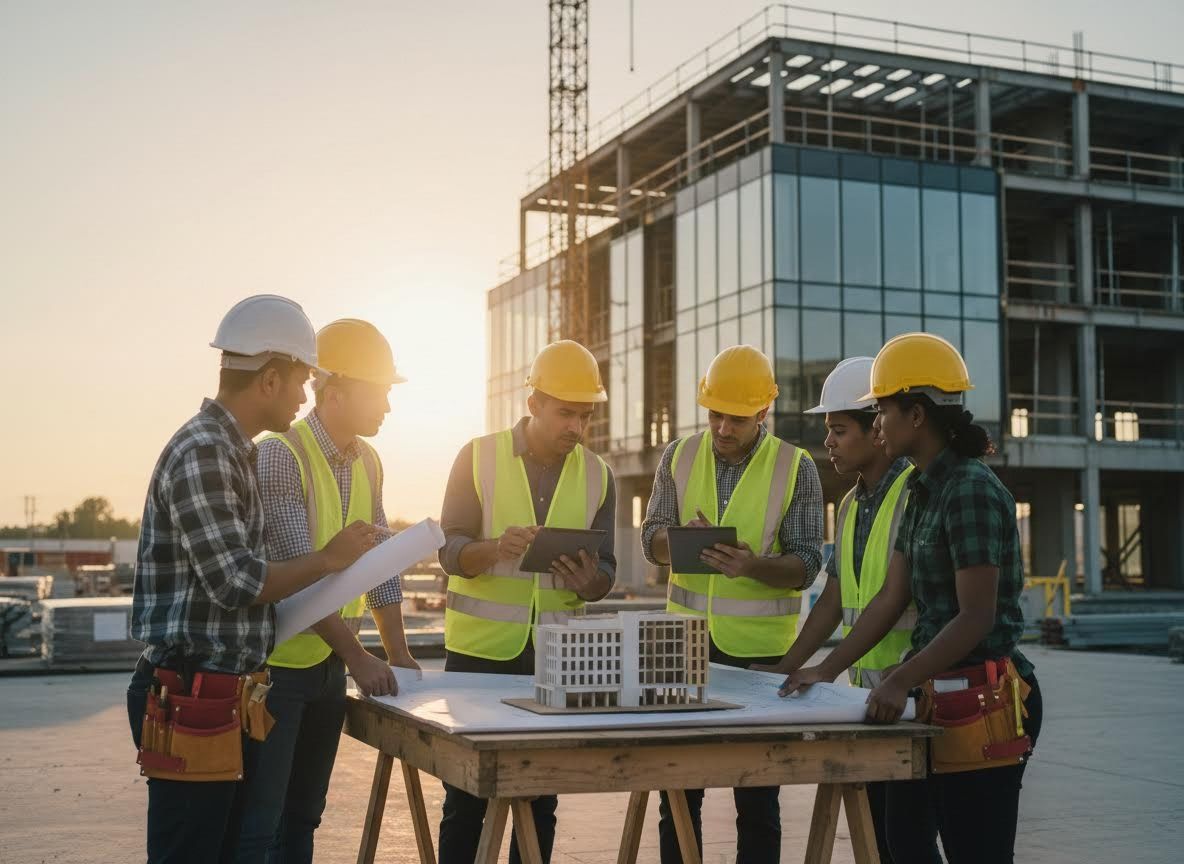
Navigating the complexities of large-scale projects often involves managing significant overhead, a challenge that can impact profitability and project timelines. In the competitive world of construction, adopting innovative strategies is crucial for delivering exceptional results while maintaining cost efficiency. At Highridge, we understand that optimizing every aspect of a project is key, and this is precisely where the principles of lean construction project management offer a powerful advantage. This approach focuses on maximizing value for the client while minimizing waste, leading to a more streamlined and successful project execution.
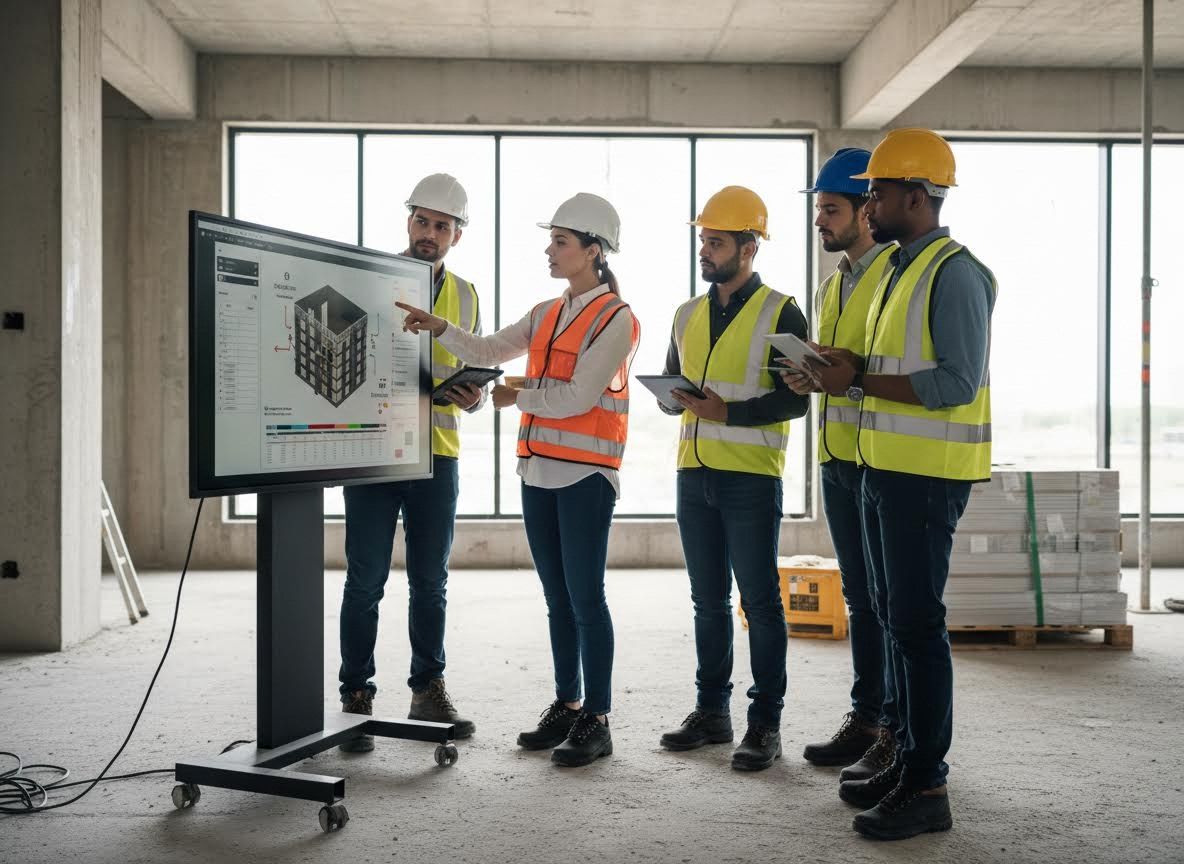
Understanding Lean Principles in Construction
Lean construction is a project delivery system that applies lean manufacturing principles to the design and construction process. Its core philosophy revolves around delivering value to the customer by systematically identifying and eliminating waste in all its forms – whether it's wasted materials, time, effort, or talent. This involves focusing on continuous improvement, creating a smooth workflow, and empowering teams to make informed decisions. Unlike traditional construction methods that can be rigid and linear, lean construction promotes flexibility, collaboration, and a proactive approach to problem-solving, ensuring that resources are utilized effectively from inception to completion.
How Lean Reduces Overhead
One of the most compelling benefits of implementing lean construction practices is the direct impact on reducing overhead costs. By meticulously planning and optimizing workflows, lean methodologies minimize common sources of waste such as overproduction, waiting times, unnecessary transportation, over-processing, excess inventory, unnecessary movement, and defects. For instance, in commercial construction and commercial remodeling projects, this translates to fewer material reorders due to precise procurement, reduced labor costs from optimized scheduling and minimized idle time, and significantly less rework thanks to early issue detection and resolution. This disciplined approach ensures that every resource contributes directly to value creation, preventing costly delays and inefficiencies that often inflate project budgets.

Enhancing Project Quality and Efficiency
Beyond cost savings, lean construction project management significantly elevates overall project quality and efficiency. By fostering a culture of transparency and continuous feedback, our team can identify potential issues early and implement corrective actions swiftly. This proactive stance is particularly beneficial for complex endeavors handled by commercial contractors, ensuring that even the most intricate commercial restoration or new build projects are completed to the highest standards. The emphasis on smooth workflow and effective communication among all stakeholders — from architects and engineers to subcontractors and clients — leads to better coordination, fewer errors, and ultimately, faster project completion without compromising on quality or safety. This client-centric approach ensures that the final output not only meets but often exceeds expectations.
Adopting lean construction project management is more than just a trend; it's a strategic imperative for any business looking to thrive in today's demanding construction landscape. By embracing its principles, projects become more cost-effective, efficient, and yield superior results, aligning perfectly with client expectations for value and quality. At Highridge, our commitment to these methodologies ensures we consistently deliver high-caliber commercial construction and restoration services that stand the test of time.